Your Lucky Number Is Lying to You: The Real Math Behind Ritual Betting
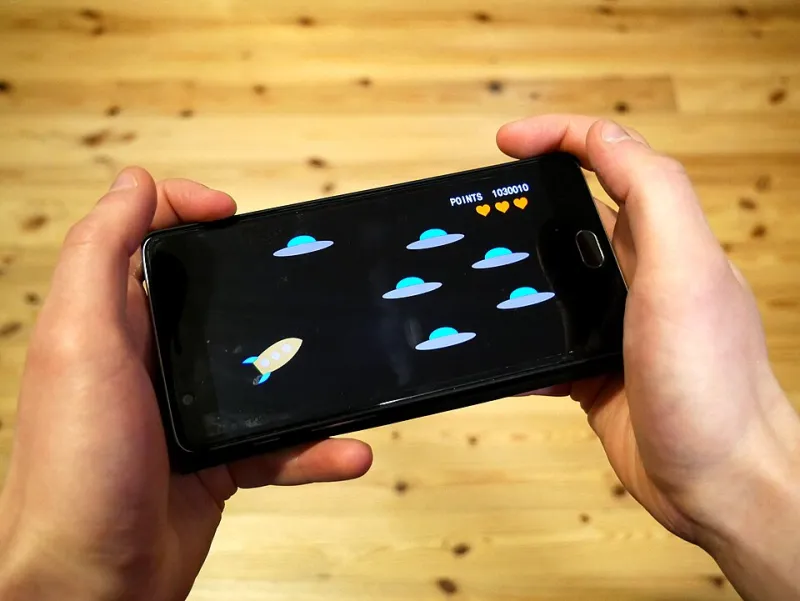
Photo: Santeri Viinamäki, CC BY-SA 4.0, via Wikimedia Commons
Ask around any casino floor in America — or, more likely these days, peek at any mobile gaming forum — and you'll find it: the lucky number. Maybe it's 7. Maybe it's 8, like our own KS888 branding. Maybe it's a birthday, an anniversary, the number of your childhood Little League jersey. And for a surprising number of players, that number isn't just a charm. It's a strategy.
That's where things get interesting — and, according to the math, a little expensive.
The Ritual Is Real, Even If the Luck Isn't
Dana, a 34-year-old nurse from Columbus, Ohio, is upfront about her habit. "Every session, I start with eight spins at $0.88," she told us. "If the eights hit anything, I keep going. If they don't, I close the app and try again tomorrow. It sounds crazy when I say it out loud."
It doesn't sound crazy, actually. It sounds human. Rituals give players a sense of control in games that are, by design, completely random. Psychologists have documented this for decades — the same instinct that makes athletes wear the same socks during a winning streak makes slot players tap the screen a specific number of times before spinning.
And in the short term, the ritual appears to work. Sometimes. Which is exactly the problem.
What the Numbers Actually Say
We ran Dana's approach past Dr. Ellen Marsh, a mathematician who studies probability and gambling behavior. Her verdict on lucky-number betting systems was polite but blunt.
"Every spin on a properly regulated slot or casino-style game is an independent event," she explained. "The machine doesn't remember that you bet 88 cents. It doesn't know your lucky number. The expected value of every spin is fixed by the game's return-to-player percentage, and no betting pattern changes that."
In other words: if a game returns 96% to players over time, it returns 96% whether you bet in eights, sevens, or random amounts. Your ritual has zero effect on the house edge.
But here's the part Marsh wanted players to really hear: rituals can change your behavior, and behavior is where the money leaks out.
How Lucky Numbers Quietly Drain a Budget
Think about how these rituals actually play out on a phone screen. You set a lucky bet size — say, $0.88. The game feels manageable. But because the bet feels small and meaningful, you place more of them. A session that might've been 40 spins at a dollar becomes 120 spins at 88 cents, and your total action quietly balloons.
There's also the continuation problem. Dana's system — stop if the eights don't hit — sounds like discipline. But when the eights hit once, the ritual tells her the streak is alive, which encourages longer sessions. When they don't hit, it tells her tomorrow will be better, which encourages returning sooner. Either outcome feeds more play. "The ritual always has an answer," Marsh noted. "That's what makes it so durable. It can't lose the argument, because it isn't really making a prediction."
Why We Keep Doing It Anyway
Here's the uncomfortable nuance: rituals aren't going anywhere, and maybe they shouldn't. Marsh herself made a distinction worth repeating.
"If a ritual makes the game more fun, and you'd be playing anyway, there's nothing harmful about betting your lucky number," she said. "The harm comes when the ritual starts making decisions for you — when it tells you to chase losses, extend sessions, or bet more than you planned."
That's the line. An $0.88 first spin because it makes you smile? Harmless. A rule that says you can't stop until the eights come through? That's a budget with a trapdoor in it.
A Better Way to Borrow the Luck
If you love the eight-energy (and honestly, at KS888, we get it), there are ways to keep the ritual without letting it wreck your bankroll:
- Make the ritual the limit, not the engine. Set your session budget first — say, $20 — and let your lucky number decide nothing about size or duration.
- Ritualize the exit. Instead of "play until the eights hit," try "eight spins, then a mandatory break." Flipping the ritual to enforce stopping is the single best upgrade you can make.
- Track it honestly. Note your total wagered and total result over a week of sessions. Lucky numbers look very different in a spreadsheet than they do in your head.
- Enjoy the theater. Betting your birthday is fine. Just know you're buying entertainment, not edge.
The Bottom Line
Lucky numbers survive because they do something real: they make a random experience feel personal, and they make stopping harder to notice and starting easier to justify. The math doesn't care about your eight. But your budget absolutely will.
So keep the charm. Tap the screen eight times if it makes you happy. Just make sure the only number that's actually running your session is the one you decided on before the app opened — and that the house edge is the only thing taking the hits.