Sold a Four-Leaf Clover: Inside the Business of Selling Luck to American Gamblers
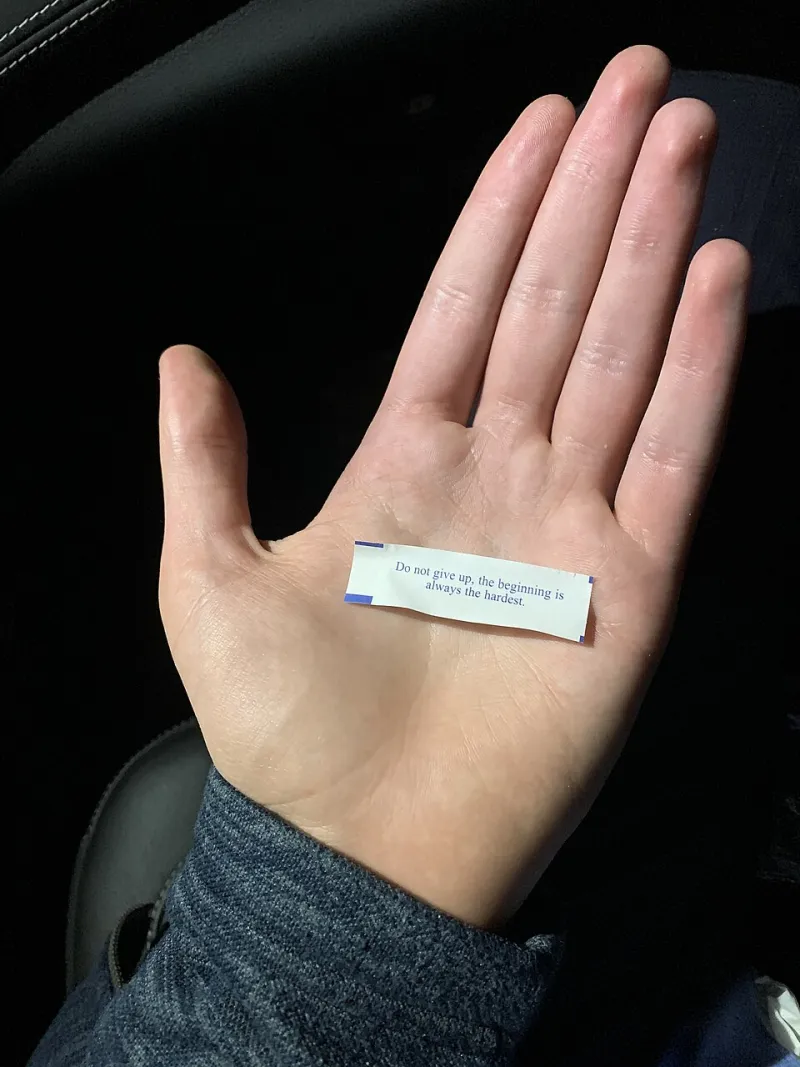
Photo: Yitzilitt, CC BY-SA 4.0, via Wikimedia Commons
Walk into any casino app store listing in the US and count how many times you see the word 'lucky.' It's everywhere — Lucky 7s, Lucky Charms Megaways, Lucky Fortune, Lucky Day promotions. That's not an accident. That's a playbook.
Here at KS888 Lucky Plays, we spend a lot of time thinking about the number 888, so superstition is basically our house religion. But even we wanted to know: when did luck become a product? And how much of what feels like fortune is actually just really good marketing?
A Short History of Betting on Belief
Casinos didn't invent superstition — they inherited it. Chinese numerology made 8 the number of prosperity (say it out loud in Cantonese and it sounds like 'wealth'), which is why you'll find 8s stamped across everything from high-limit rooms to phone numbers for VIP hotlines. Las Vegas casinos famously skip floors 4 through 14 in some towers to avoid the unlucky 4, then charge a premium for suites on the 88th-numbered floors.
American gambling culture layered its own rituals on top. Rabbit's feet in the 1950s. Blowing on dice. The fortune cookie — a Japanese-American invention, not Chinese, by the way — became shorthand for 'your luck is written down somewhere.'
The industry noticed something early: players don't want to hear about house edge. They want to hear about destiny. And destiny, it turns out, sells.
Why 'Lucky' Outperforms 'Math'
We spoke with a former marketing director at a mid-size social casino app (she asked not to be named, since she still works in the industry). Her take was blunt:
"We A/B tested everything. 'Spin with the odds you love' versus 'Tonight could be your lucky night.' The lucky messaging won every single time. Nobody clicks on a percentage. Everybody clicks on a feeling."
That's the core of the fortune economy. Odds-based messaging reminds players that the house wins eventually. Luck-based messaging tells them the house wins eventually — but maybe not tonight.
The tactics stack up in predictable ways:
- Lucky-number promotions. Bonuses unlocked at 8:08, deposit matches on the 8th of the month, rewards tiers named after lucky digits. It manufactures a reason to open the app.
- Charm-branded slot themes. Horseshoes, four-leaf clovers, red envelopes, maneki-neko cats. The symbols do double duty: they signal 'this game pays' while saying nothing about RTP.
- Fortune-tiered loyalty programs. Instead of Bronze, Silver, Gold, you get Fortune, Destiny, Legend. The vocabulary shifts from money to fate.
- Personalized 'lucky' pushes. "Your lucky game is hot right now." Your lucky game is simply the one you lose on least often. That's the whole algorithm.
The Fortune Cookie Test: Spotting Marketing Dressed as Magic
None of this means you should delete every lucky-branded app. Slots are entertainment, and themes are part of the fun. But if you want to know whether a 'lucky' angle is a vibe or a pitch, run what we call the fortune cookie test — three questions, two minutes:
1. Is the luck attached to a number or to a payout? If the promotion celebrates the number 8 but never mentions return-to-player, volatility, or prize amounts, the luck is the product.
2. Does the 'lucky' element cost money? Real rituals are free. When a lucky charm feature requires a deposit, a VIP tier, or a spin bundle to 'activate,' you're not activating luck — you're buying a theme.
3. Is the timing real or theatrical? A midnight jackpot drop is a scheduled event. 'Your lucky hour' at 8 PM is a calendar someone in marketing picked. Scheduled events are fine; just know which one you're playing.
Why It Works on All of Us
There's real psychology under the glitter. Behavioral researchers call it the illusion of control — the human tendency to believe our rituals influence random outcomes. Casinos and apps don't create that instinct; they decorate it. A lucky-number promo is a permission slip to play, wrapped in a feeling of personal destiny.
The number 888 works on us too, honestly. We named a whole site after it. The difference is we think of it as a mascot, not a strategy. The reels don't know what your lucky number is. Your bankroll does.
Play the Fun, Skip the Pitch
Lucky branding isn't going anywhere — it's one of the oldest and most effective marketing machines in American gaming, and mobile apps have made it more personal than ever. The winning move isn't cynicism. It's awareness. Enjoy the clover. Ride the 8s. Just read the paytable before you thank the fortune cookie.
Because the luckiest thing a mobile player can be isn't charmed. It's informed.